Client feedback • Outsourced specialists • Managed teams

RUDRRIV.COM Client Testimonials

Real-world feedback and a practical guide for businesses evaluating outsourced specialists, project support and managed teams across marketing, technology, operations, finance, design, data and business services.

What do RUDRRIV.COM client testimonials show?

RUDRRIV.COM client testimonials help prospective clients review how businesses experience communication, specialist support, project coordination and delivery. They provide useful context for founders, functional leaders and procurement teams, but should be assessed together with scope, service fit, commercial terms and due diligence.

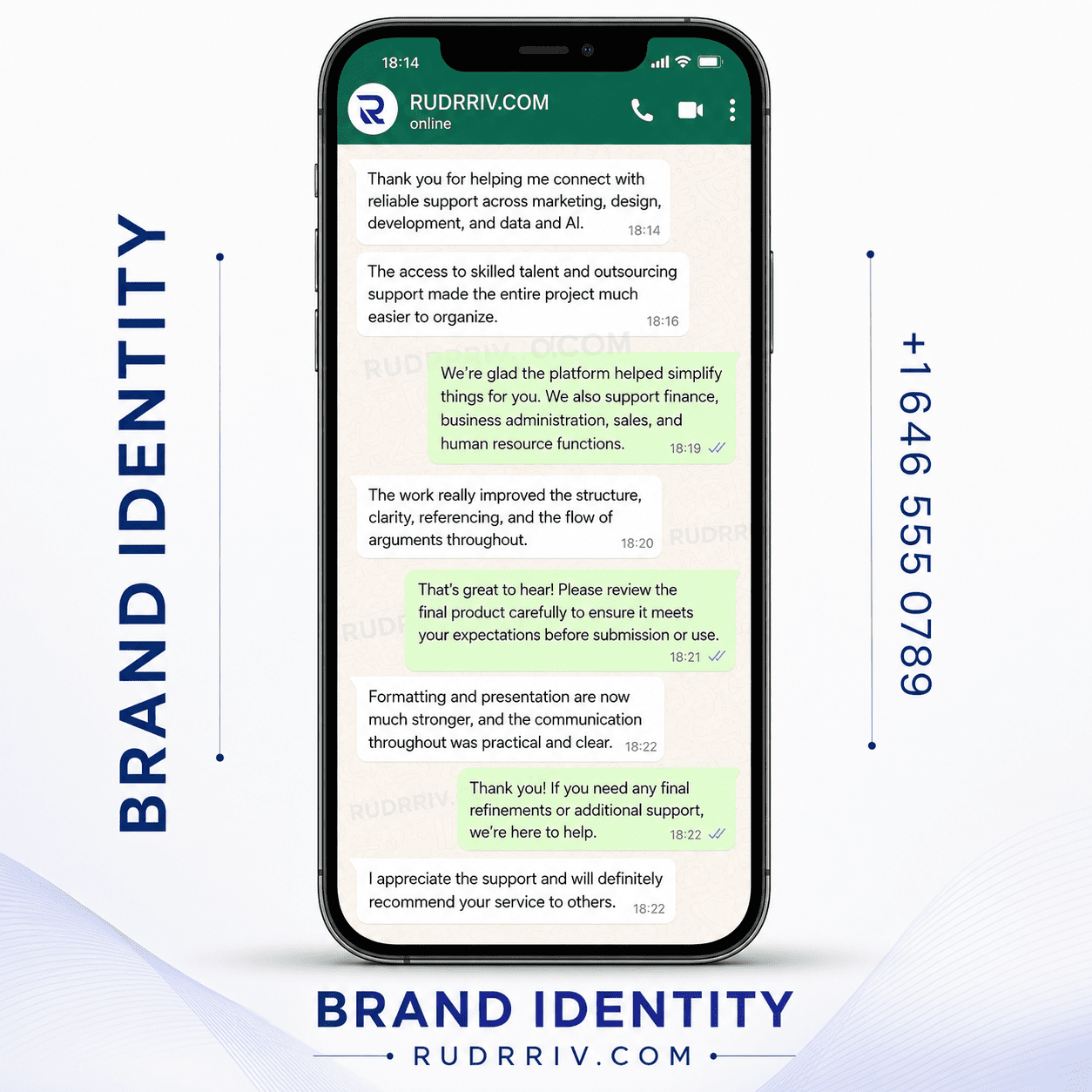
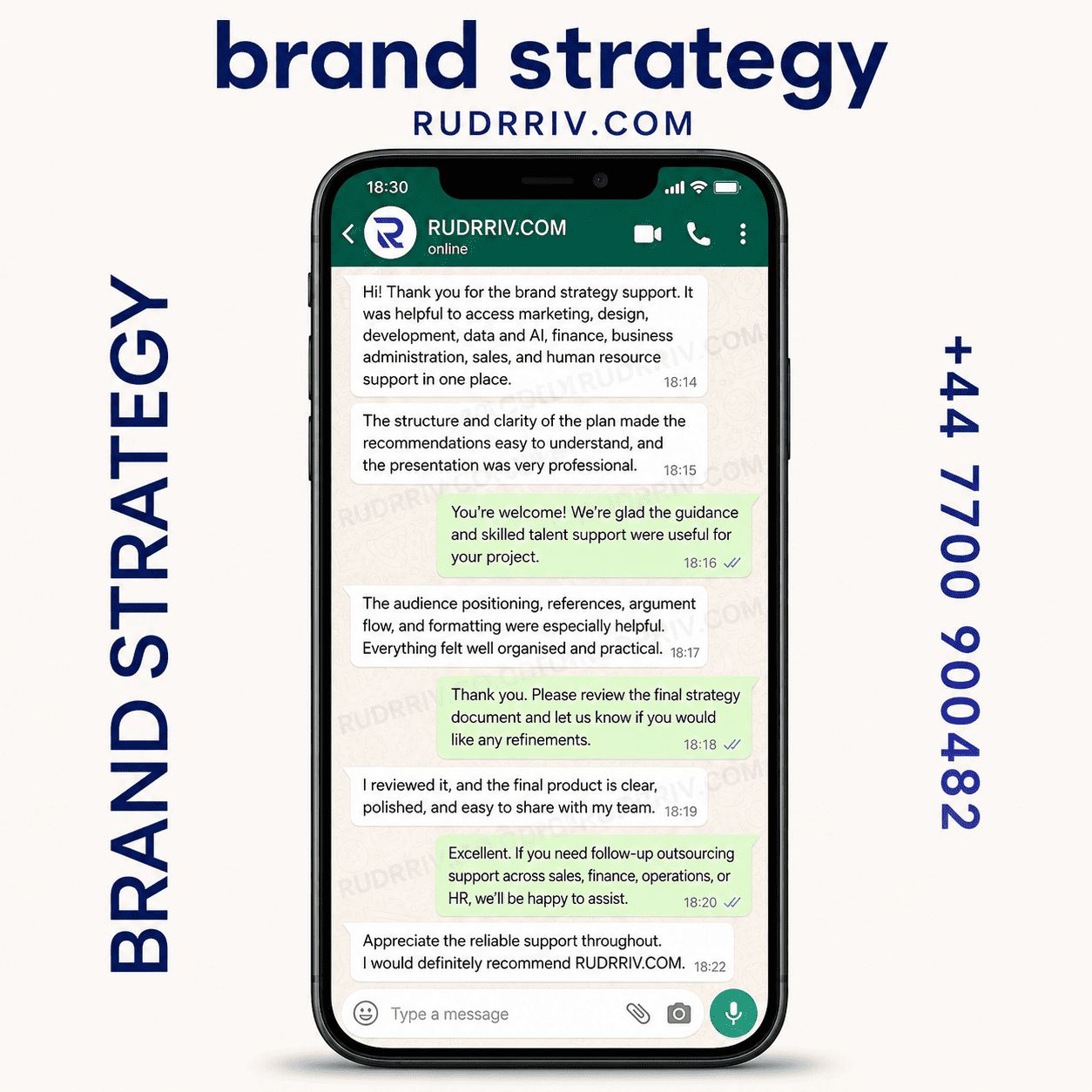
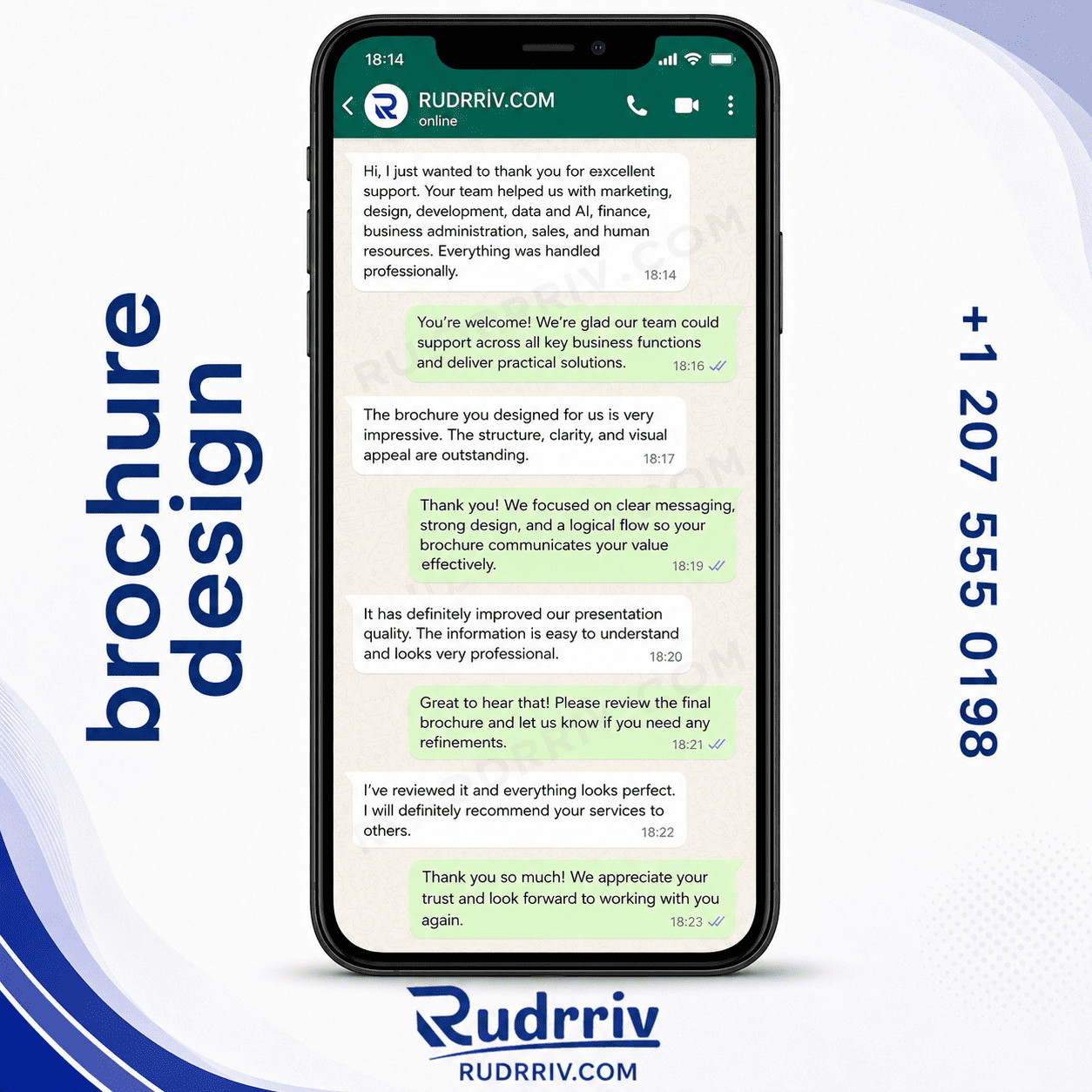
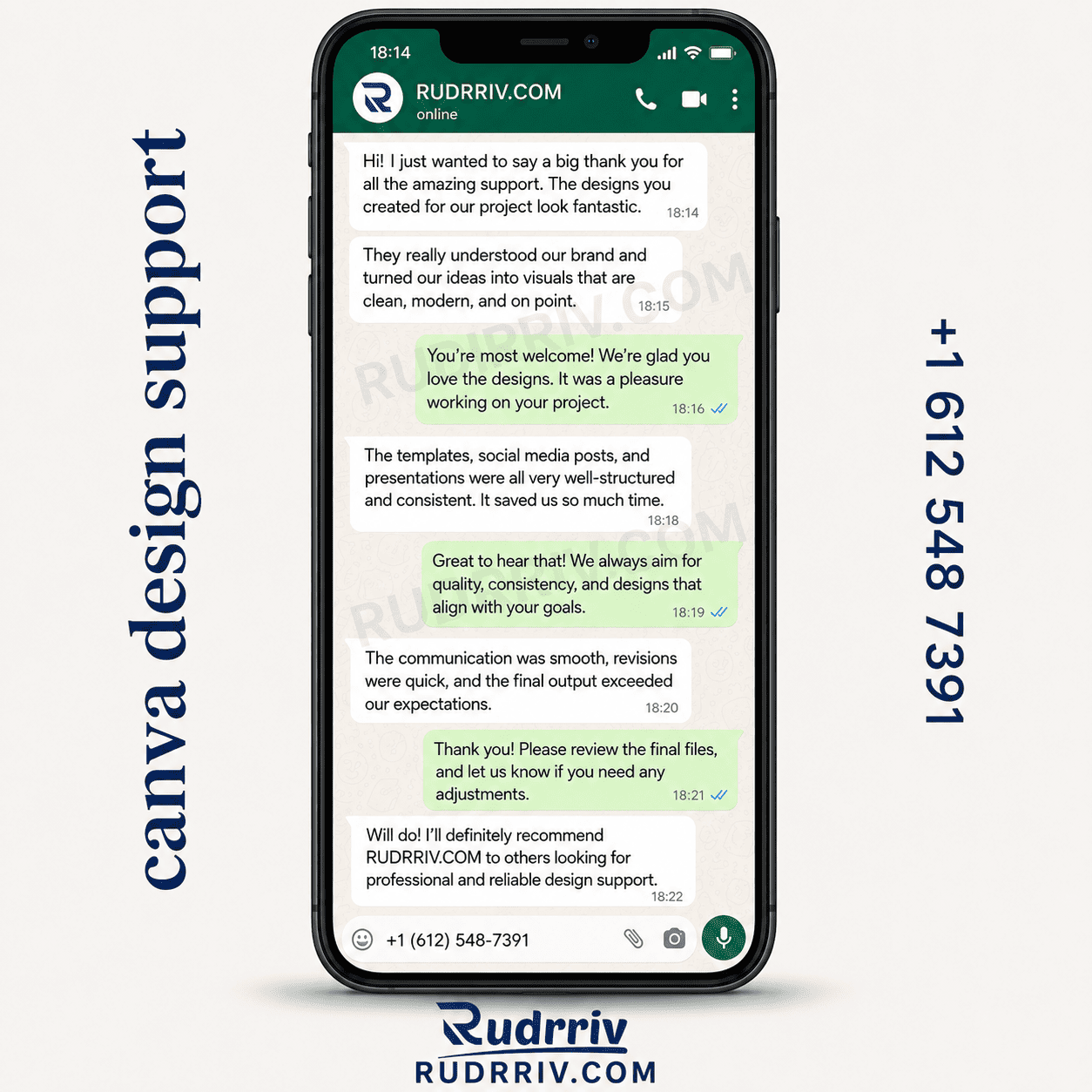
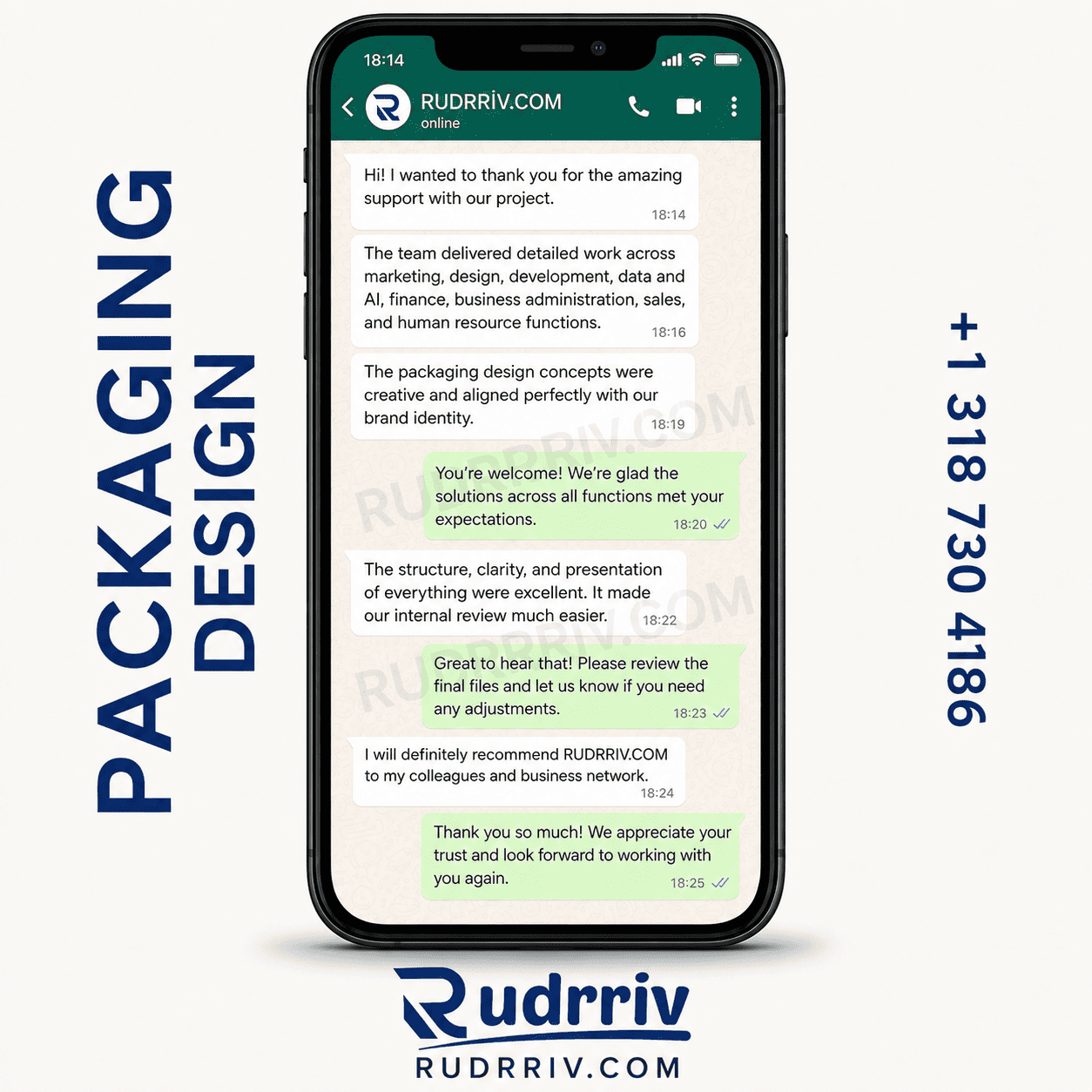
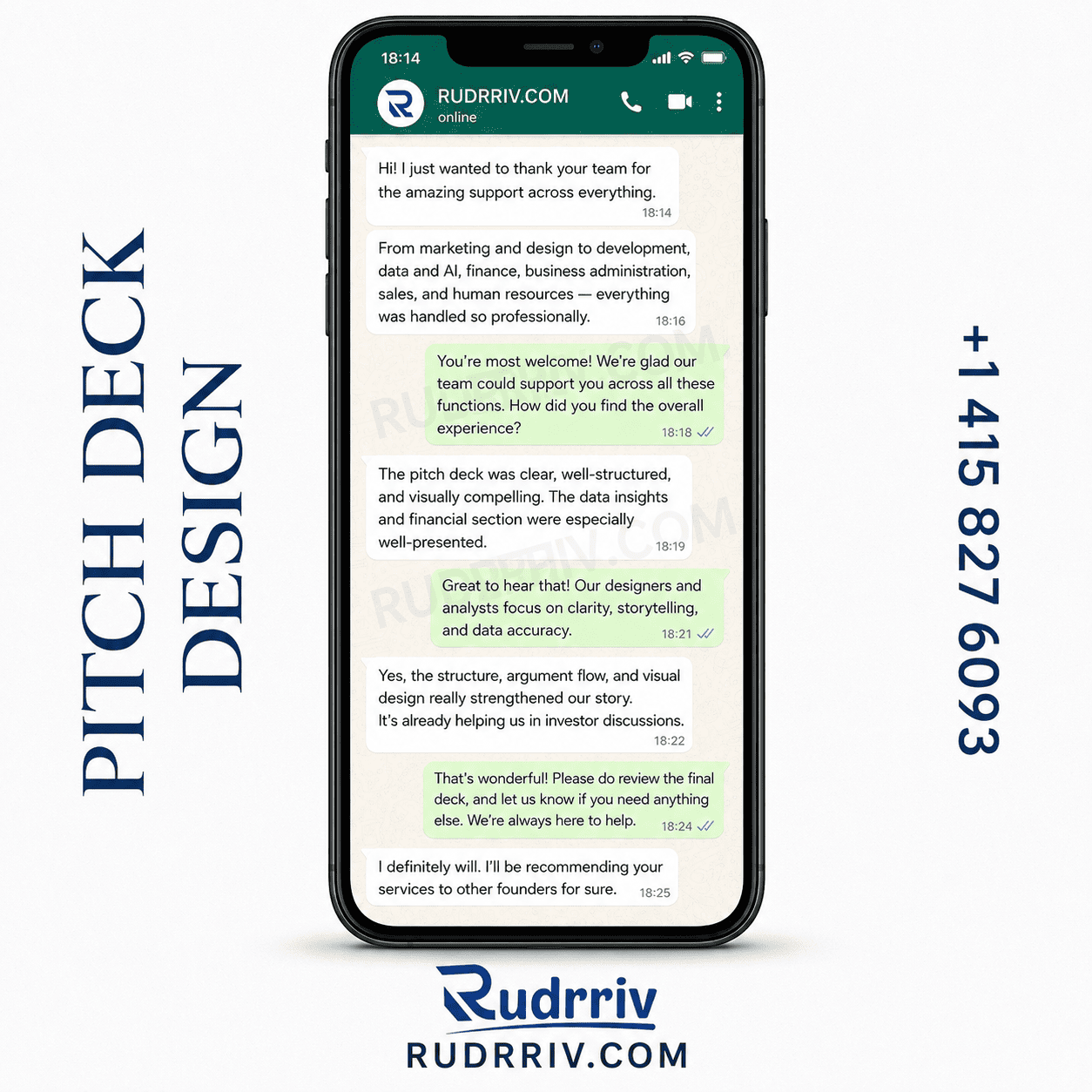
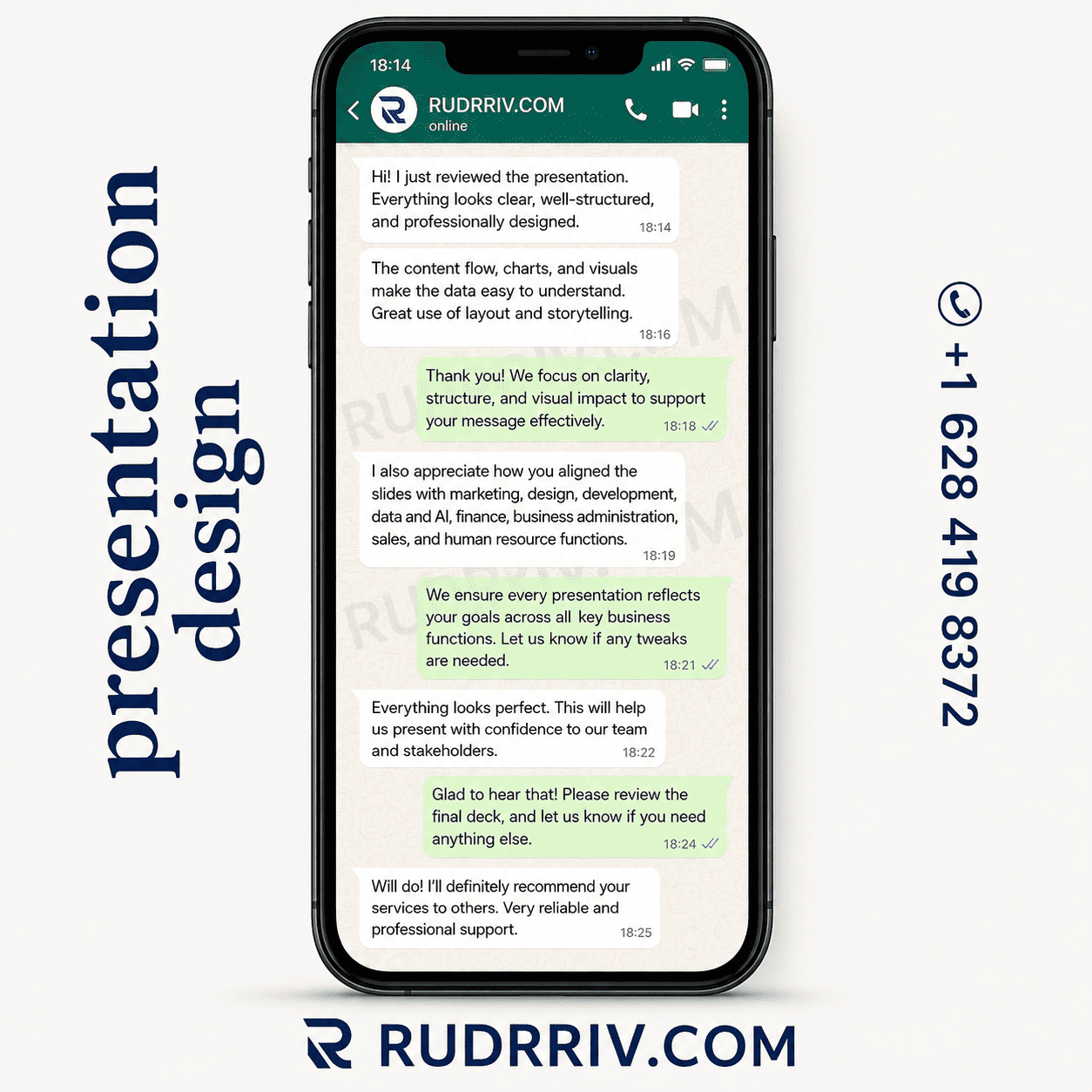
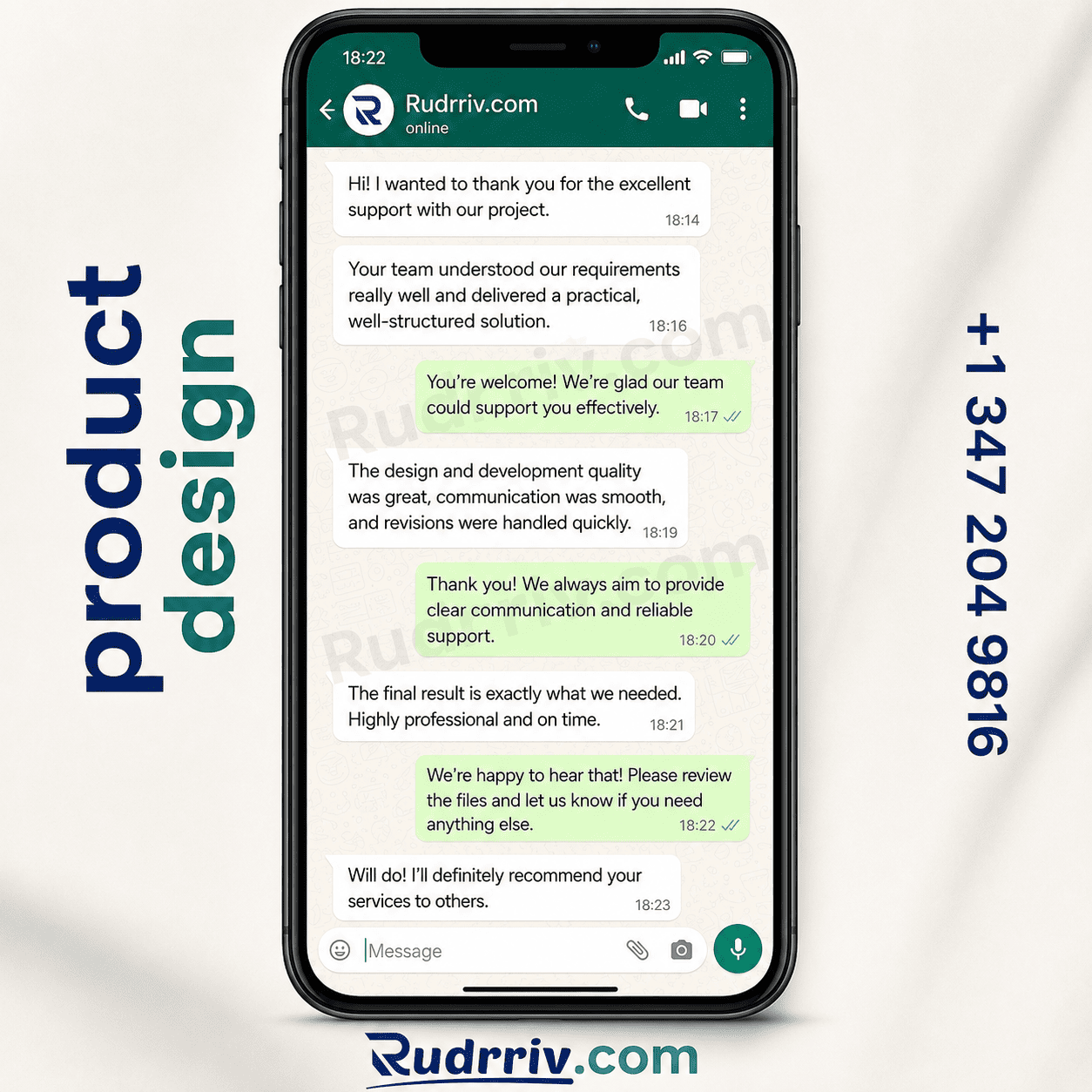
Client testimonials

Client feedback across RUDRRIV.COM services

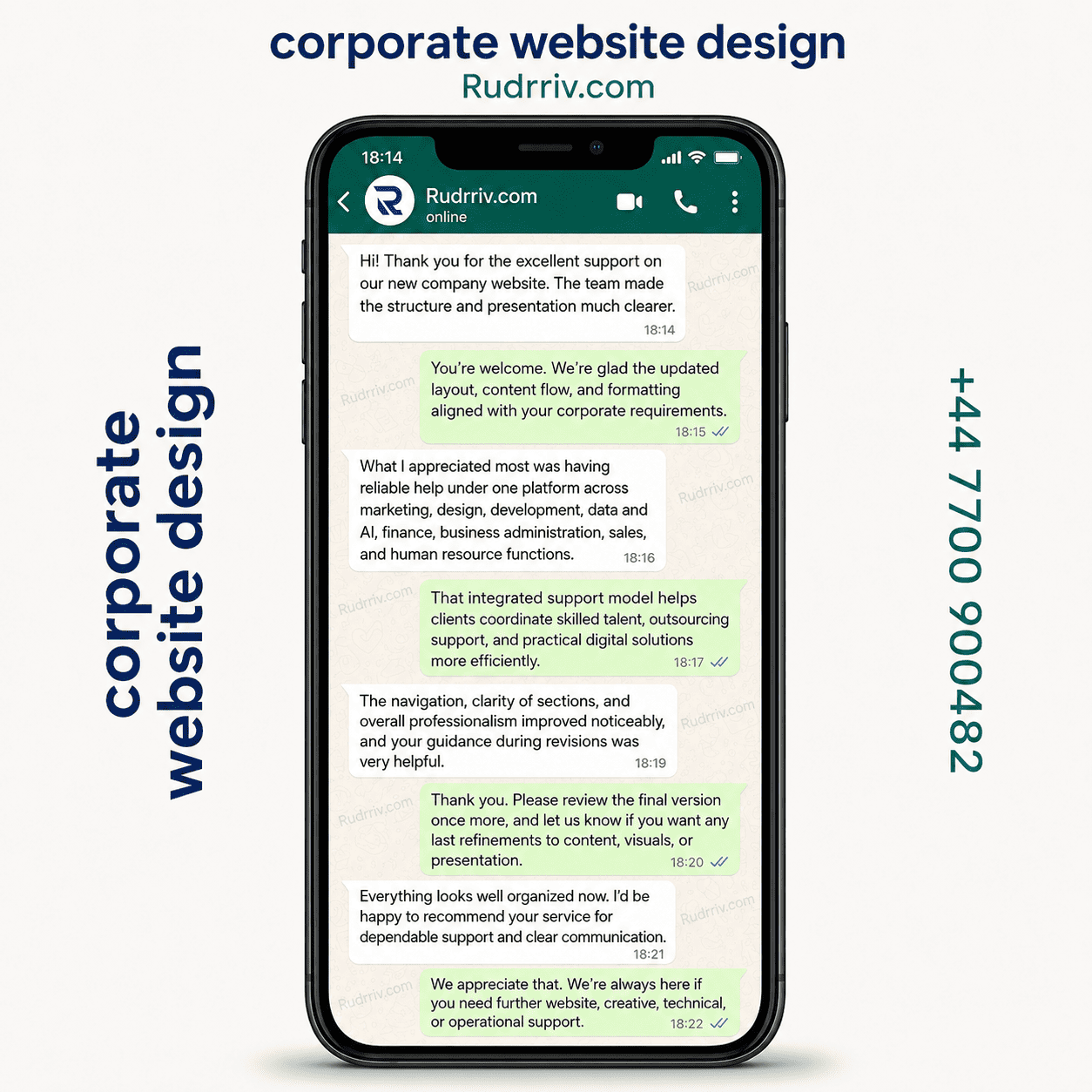
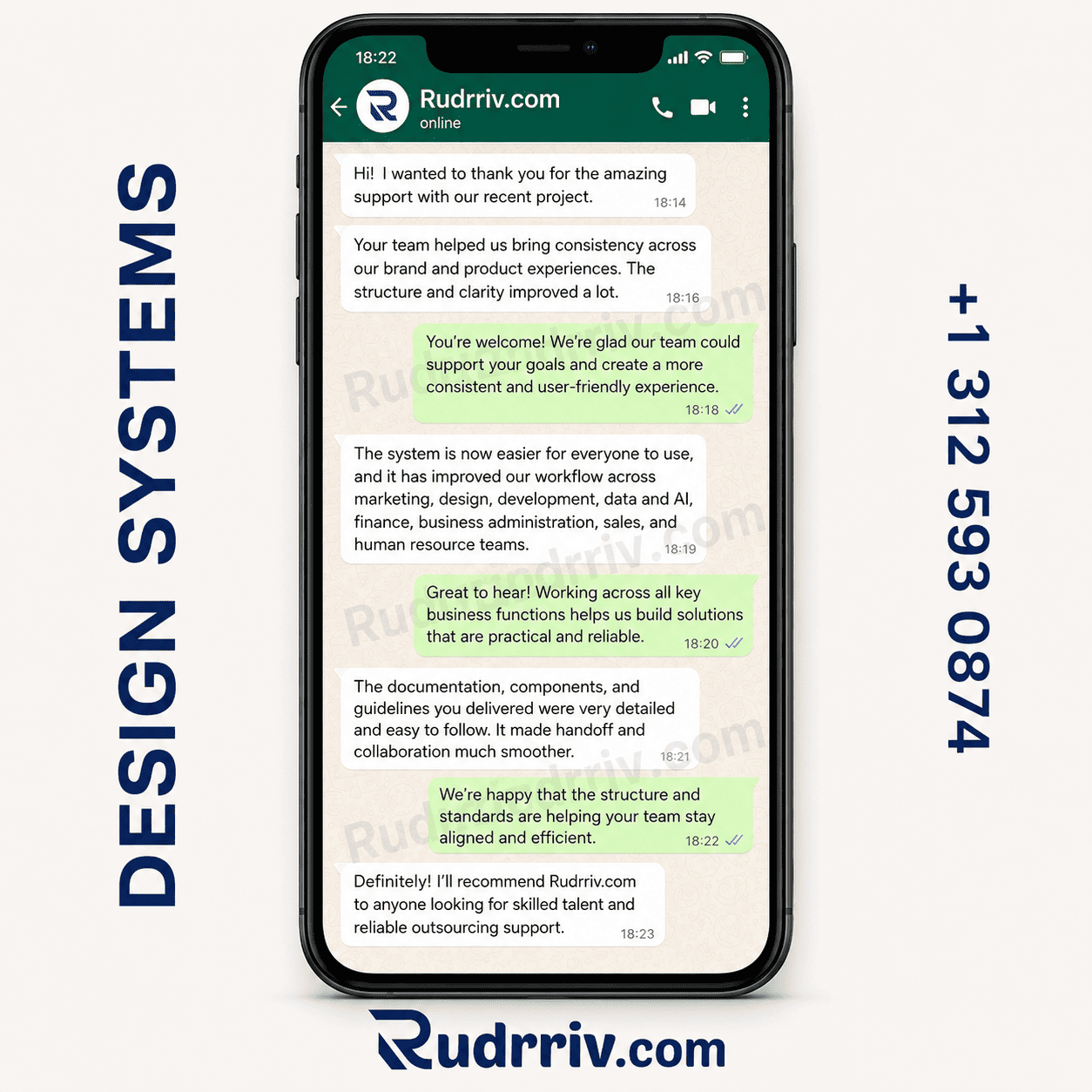
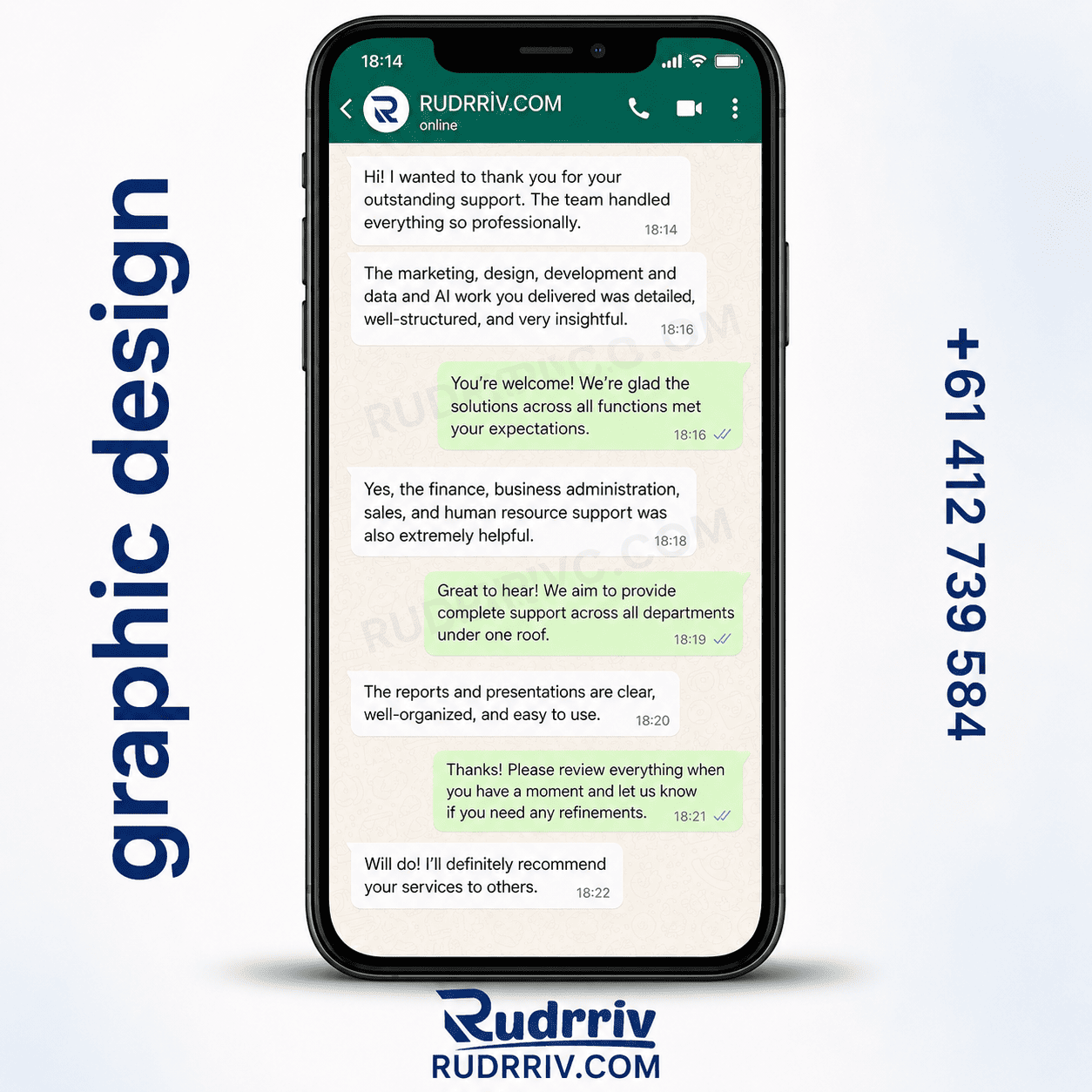
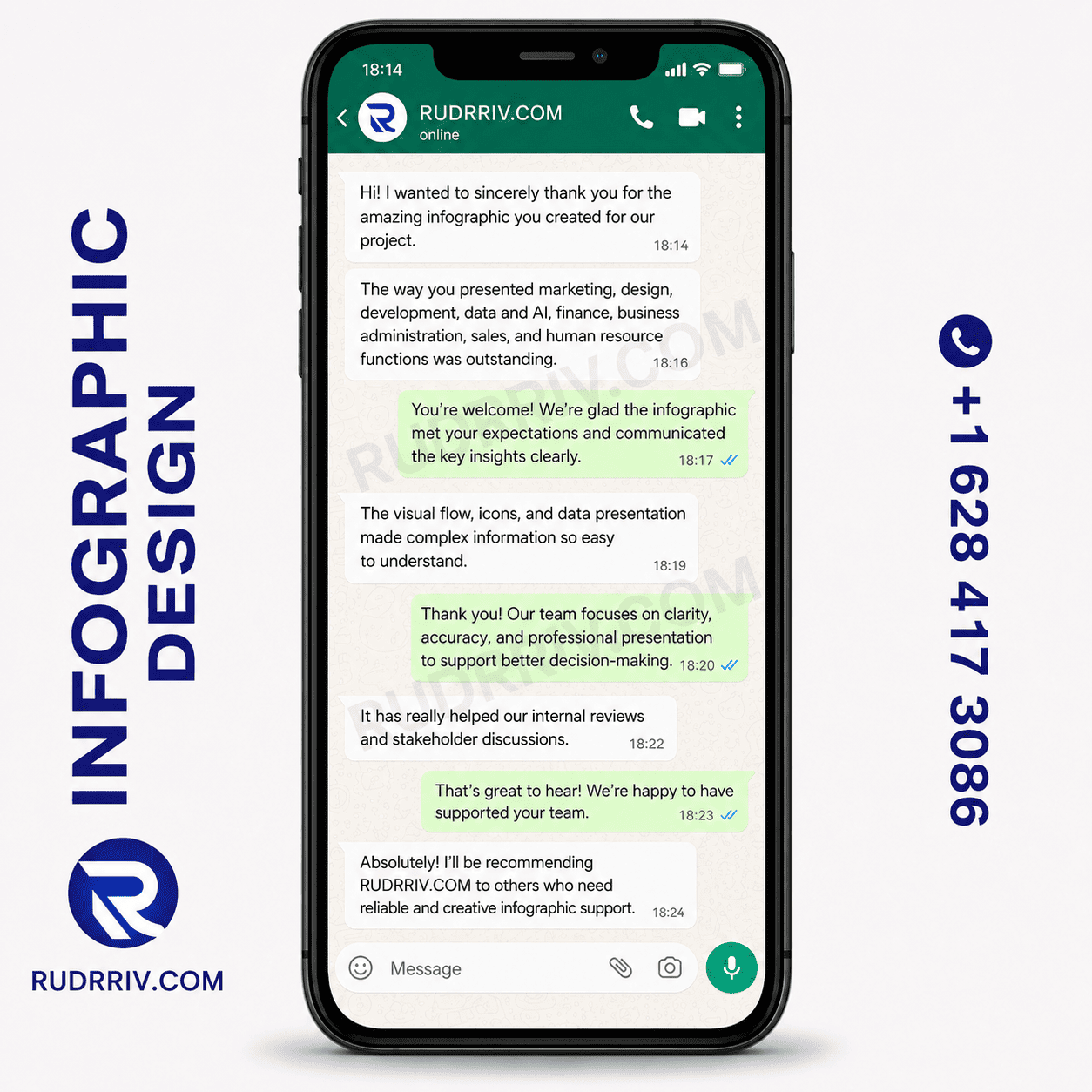
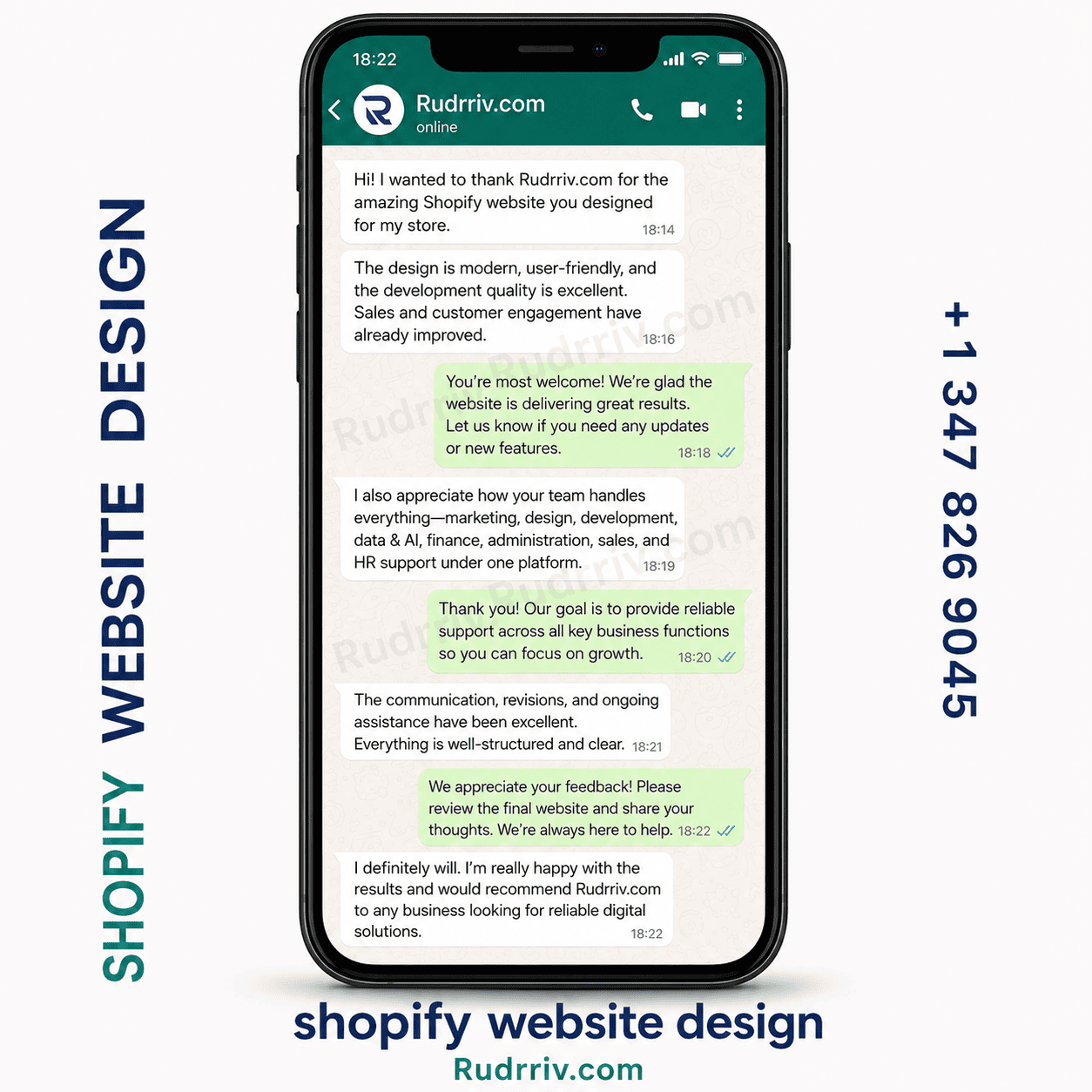
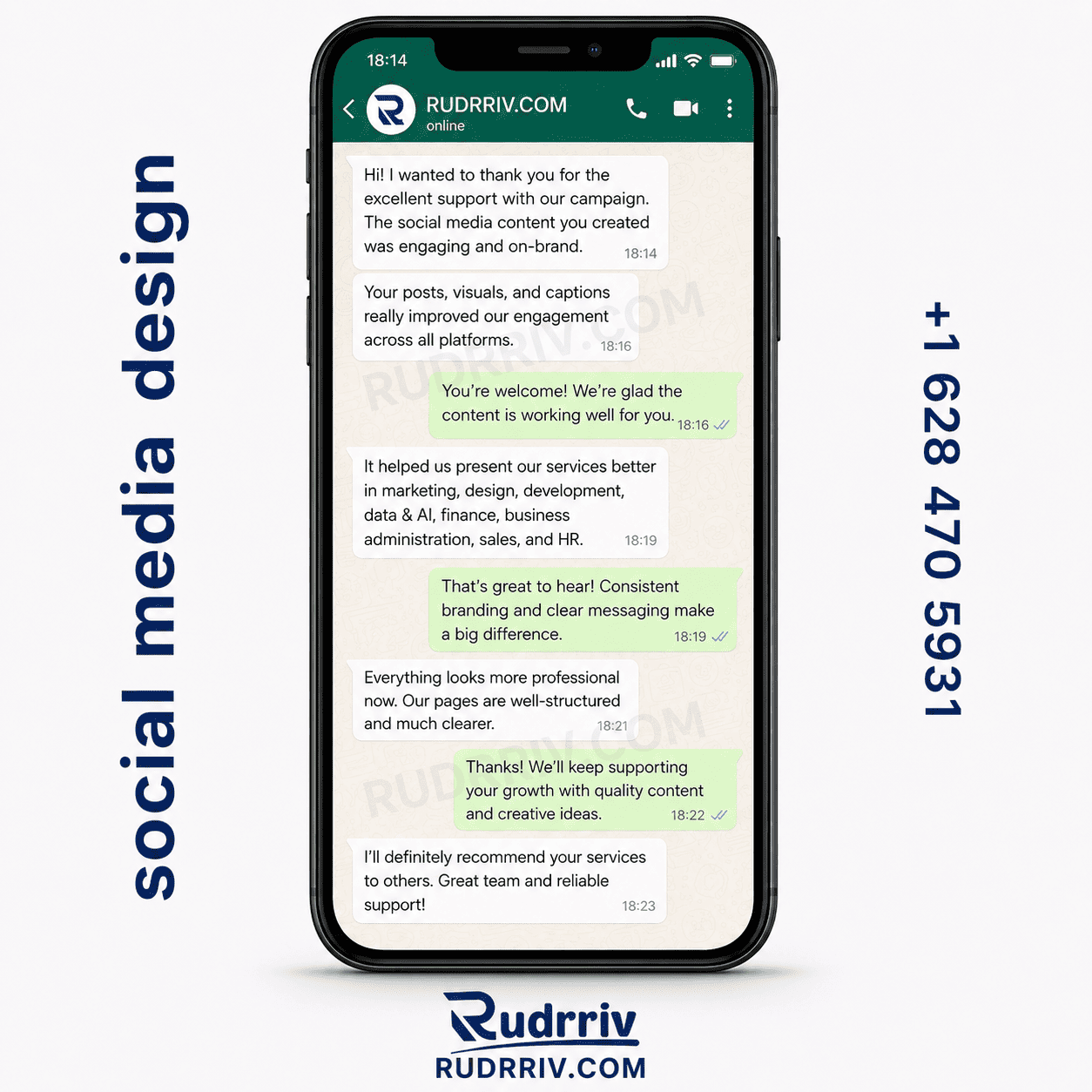
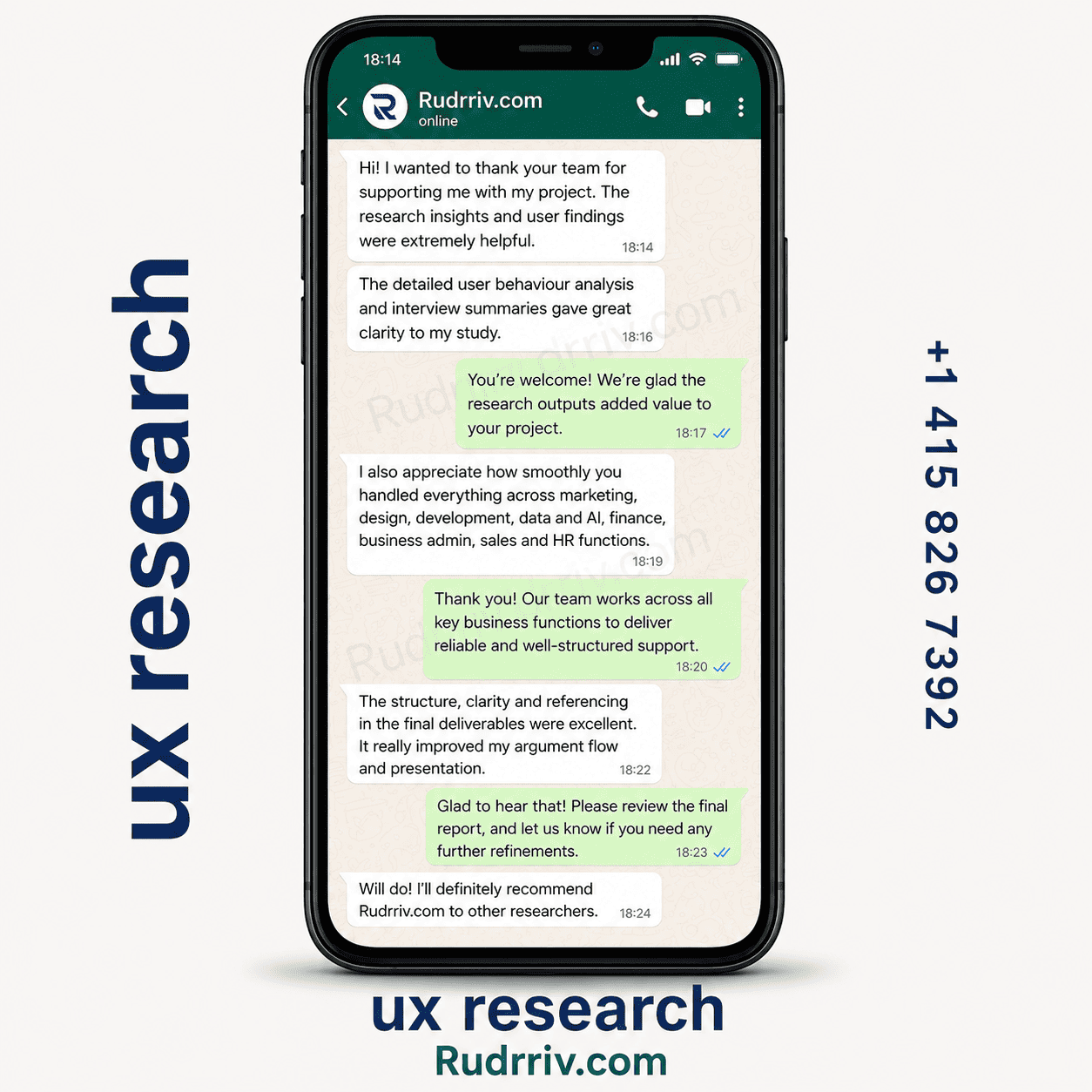
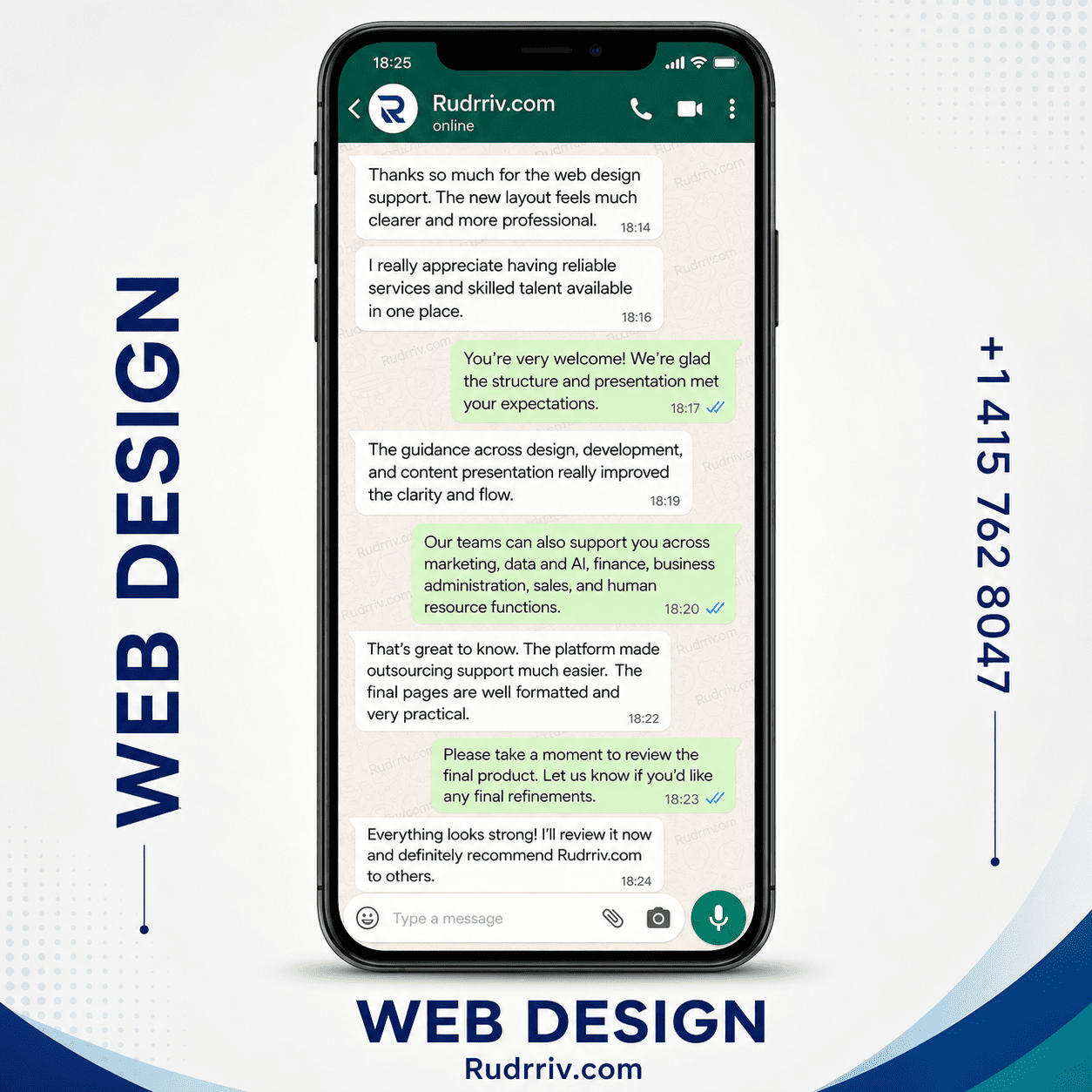
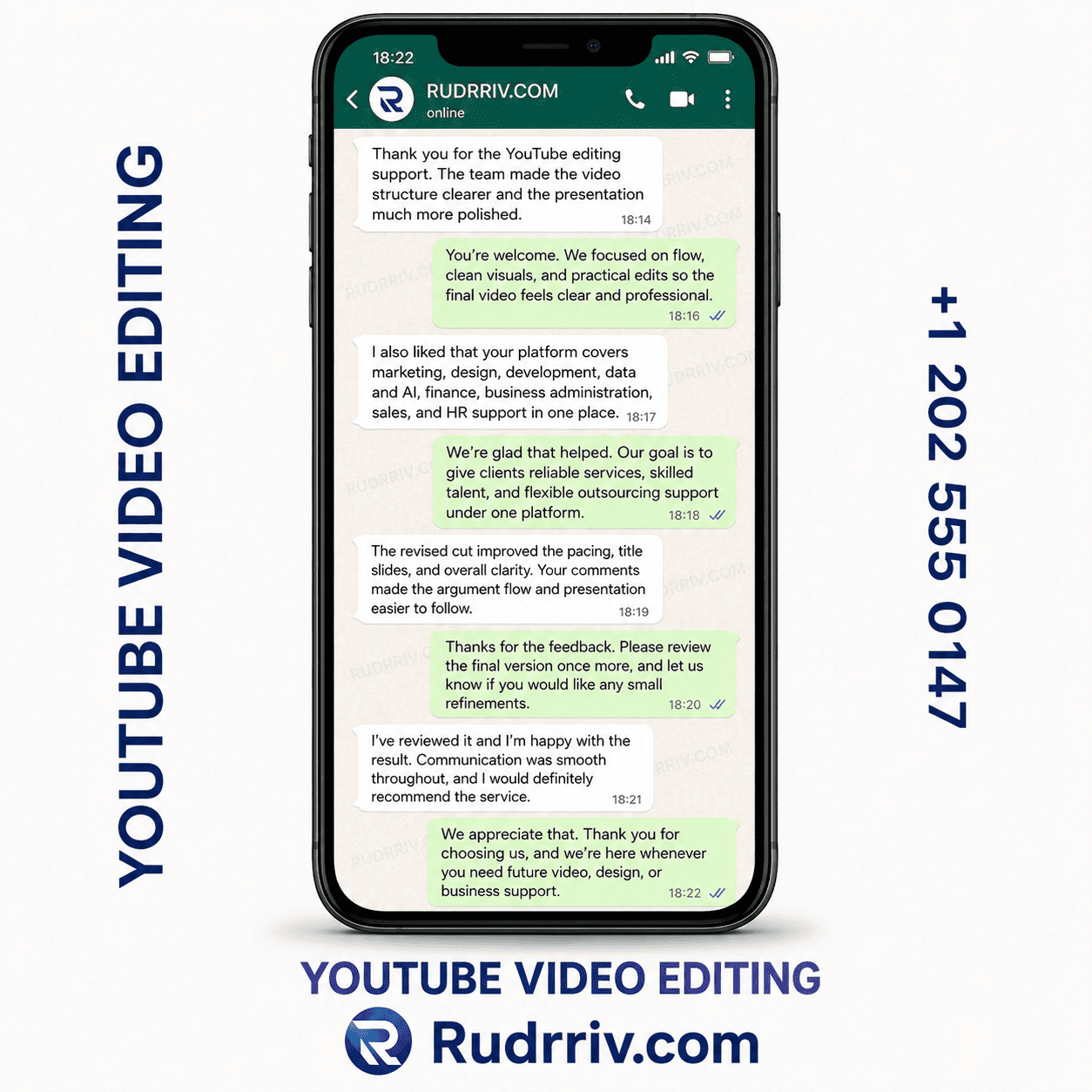
Browse testimonial and customer-review visuals stored in the local images/ folder. Each image is loaded automatically, so newly added review graphics can appear without manually editing the gallery array.

Client testimonials describe individual experiences. They are not guarantees of identical results. Project outcomes depend on scope, inputs, timelines, internal approvals, market conditions and other engagement-specific factors.

People-first buying guidance

How to use client testimonials when choosing an outsourcing partner

Testimonials are valuable because they show the human side of delivery: how a provider communicates, responds to feedback, handles complexity and supports progress. For a serious business decision, however, feedback should be one part of a broader evaluation.

Founders and department leaders often look for external support when internal capacity is constrained, a specialist skill is missing or an important initiative cannot wait for a lengthy hiring cycle. In those situations, the central question is not simply whether a provider can complete a task. The better question is whether the provider can understand the business objective, organize the work responsibly and deliver an output that the client can actually use.

Useful client testimonials reveal details about the working relationship. They may show whether requirements were clarified early, whether updates were understandable, whether the team adapted to feedback and whether the finished work supported a real operational or commercial need. These signals are especially relevant for businesses comparing freelancers, agencies, outsourcing companies and managed-service partners.

Look for evidence of process, not only praise

General statements such as “great work” or “excellent service” provide limited decision-making value. Stronger testimonials describe the work completed, the challenge addressed or the way the provider supported the client. A business buyer should look for references to planning, communication, specialist knowledge, review discipline, responsiveness and practical usefulness.

Match the testimonial to your own use case

A startup commissioning a launch website has different needs from a finance department outsourcing recurring bookkeeping support. An ecommerce business may prioritize speed and production capacity, while an enterprise procurement team may place greater emphasis on documentation, governance and continuity. The most relevant testimonial is therefore not always the most enthusiastic one; it is the one that is closest to the buyer’s scope, complexity and operating environment.

Confirm what the testimonial does not tell you

Testimonials rarely explain every variable behind an outcome. They may not show the original condition of the work, the client’s level of involvement, the number of review rounds, the commercial structure or dependencies outside the provider’s control. Before engaging, request a written scope that translates the positive signals in client feedback into specific responsibilities, deliverables and acceptance criteria.

Who this page helps

Business buyers evaluating outsourced specialists or managed teams

The page is written for decision-makers who need practical delivery support, additional capacity or specialist expertise without losing visibility and control.

  • Founders and entrepreneurs building capacity without adding unnecessary fixed overhead
  • Startups that need specialist execution while internal teams remain lean
  • Small and medium-sized businesses seeking dependable delivery and clearer accountability
  • Enterprise teams that require structured workflows, documentation and scalable support
  • Marketing leaders managing content, campaigns, design and digital-growth priorities
  • Technology leaders planning development, automation, data or AI initiatives
  • Operations managers improving processes, reporting and day-to-day execution
  • Finance leaders and accounting firms requiring accurate, controlled business support
  • Ecommerce businesses coordinating product, marketing, customer and operational work
  • Agencies and professional-service companies expanding delivery capacity for client work
  • Department heads and procurement teams comparing specialist vendors and managed teams
  • Companies seeking flexible outsourced specialists for projects, backlogs or ongoing functions
What client feedback can reveal

Six qualities that matter in outsourced business delivery

These themes help buyers interpret testimonials in a consistent way and connect feedback with the practical requirements of an engagement.

1

Clear communication

Business clients need practical updates, defined responsibilities and early visibility into risks. Strong feedback commonly reflects responsiveness, context-aware communication and fewer avoidable hand-off gaps.

2

Specialist capability

The value of outsourcing depends on relevant expertise. Clients assess whether the assigned specialist understands the business objective, the required tools and the standards expected for the final deliverable.

3

Reliable execution

Testimonials are most useful when they describe how work was planned, reviewed and delivered. Reliability includes realistic timelines, organized workflows, quality checks and transparent issue resolution.

4

Commercial usefulness

A deliverable should help the client make progress. Useful feedback explains whether the work improved clarity, reduced a backlog, supported a launch, strengthened reporting or helped an internal team move faster.

5

Flexible engagement

Different companies need different levels of support. Some require a defined project, while others need recurring specialist capacity or a managed team that can adapt to changing workloads.

6

Professional accountability

Business buyers value documented scope, named ownership, sensible review stages and controlled revisions. These practices make outsourced work easier to govern across departments and stakeholders.

Service coverage

Where RUDRRIV.COM can support business teams

Companies can explore specialist and managed support across interconnected business functions. The best starting point is the service area that aligns most closely with the desired outcome.

Buyer checklist

Questions to answer before appointing an outsourced provider

A clear buying process protects both the client and the delivery team. Use these questions to turn general interest into a workable brief.

  • What business outcome must the engagement support?
  • Which deliverables, systems and stakeholders are involved?
  • What information or access must the client provide?
  • Who owns day-to-day decisions and final approval?
  • What timeline is realistic, including review time?
  • How will quality and acceptance be assessed?
  • What reporting or communication rhythm is required?
  • Are there confidentiality, security or compliance constraints?
  • What happens when scope, volume or priorities change?
  • Which commercial model best reflects the work?
Flexible ways to work

Choose an engagement model that matches the requirement

The right structure depends on duration, workload, skill mix and how much coordination the client wants the provider to manage.

Defined project

Best for a clear outcome with an agreed scope, deliverables, milestones and completion point.

Dedicated specialist

Suitable when a team needs recurring access to a particular capability without hiring a full-time employee immediately.

Managed team

Useful for multi-skill requirements where coordination, task allocation, review and delivery management are needed together.

Ongoing operational support

Designed for repeatable workflows, fluctuating demand, production backlogs or business functions that require continuous assistance.

A practical delivery path

From business requirement to completed work

A transparent process makes client feedback more repeatable because expectations, ownership and review points are clear from the beginning.

Clarify the objective

Define the problem, desired outcome, audience, constraints and reason the work matters now.

Confirm scope and ownership

Agree deliverables, inputs, roles, timing, communication, review stages and acceptance criteria.

Assign and execute

Match the requirement to appropriate specialist capability and manage production against the agreed plan.

Review and close

Complete quality checks, incorporate agreed feedback, hand over final files and document any next steps.

Responsible interpretation

Why credible client testimonials avoid unrealistic promises

Trust is strengthened when feedback is presented as evidence of an individual experience rather than a universal promise.

A professional testimonial page should not imply that every project will produce the same commercial, operational or technical result. Two clients may purchase a similar service but begin with different resources, data quality, brand maturity, internal expertise, approval processes and market conditions. Those differences can materially affect outcomes.

For that reason, RUDRRIV.COM client testimonials are best used to understand service experience and delivery qualities. Prospective clients should discuss their own objectives, constraints and dependencies directly before making a decision. A responsible provider will explain what can be controlled, what requires client participation and what remains uncertain.

This approach is particularly important for enterprise teams and procurement professionals. Strong governance does not conflict with a flexible outsourced model. It gives both parties a shared operating framework and makes it easier to evaluate progress objectively.

Frequently asked questions

Questions about RUDRRIV.COM client testimonials and outsourced services

Direct answers for founders, business leaders and procurement teams comparing external specialists and managed support.

What do RUDRRIV.COM client testimonials help a business evaluate?

They help business buyers understand how clients experience communication, specialist capability, workflow discipline, responsiveness and delivery quality. Testimonials should be considered alongside scope clarity, service fit, governance requirements and the complexity of the proposed engagement.

Who can use RUDRRIV.COM services?

RUDRRIV.COM is positioned for founders, entrepreneurs, startups, SMEs, enterprise teams, agencies, ecommerce businesses, accounting firms, professional-service companies, department heads and procurement teams that need outsourced specialists, project support or managed delivery capacity.

Can a company hire support for one project?

Yes. A defined project is appropriate when the requirement has a clear outcome, agreed deliverables and a practical completion point. The scope should state responsibilities, inputs, review stages, timing and acceptance criteria before work begins.

Does RUDRRIV.COM support ongoing business work?

Ongoing support can be appropriate for recurring content, marketing production, design, development maintenance, data work, finance operations, customer support, administrative processes and other repeatable workflows. The engagement structure should reflect volume, service levels and ownership.

What is the difference between an outsourced specialist and a managed team?

An outsourced specialist usually contributes a defined skill within the client’s workflow. A managed team combines multiple capabilities with coordination, task allocation, review and delivery oversight. The right option depends on the breadth of work and the client’s internal management capacity.

How should procurement teams assess an outsourcing provider?

Procurement teams should evaluate service relevance, scope definition, commercial terms, data handling, ownership, escalation routes, quality controls, reporting, business continuity and the provider’s ability to support the required volume. Testimonials are useful context but should not replace due diligence.

How is project quality managed?

A sound quality process typically includes requirement confirmation, appropriate specialist assignment, internal review, client feedback and controlled revisions. The exact review process should be adapted to the service, project risk and agreed acceptance criteria.

Can startups begin with a small scope?

Yes. A smaller initial scope can help a startup test communication, working style and output quality before expanding the engagement. A pilot should still have a meaningful deliverable and clear success criteria so both parties can evaluate the result fairly.

Can enterprise departments use RUDRRIV.COM for overflow capacity?

Enterprise departments may use external support for backlogs, launches, specialist tasks, seasonal demand or recurring production work. Larger engagements normally benefit from documented workflows, named points of contact, reporting routines and clear escalation procedures.

What information should a client provide before requesting a quote?

Useful inputs include the business objective, required deliverables, audience, source materials, systems or tools involved, estimated volume, deadline, review process, compliance constraints and preferred engagement model. Better inputs usually produce a more accurate scope and commercial estimate.

Are testimonial results guaranteed for every client?

No. Testimonials describe individual experiences and should not be treated as guarantees. Outcomes vary according to the starting point, scope, available inputs, timelines, market conditions, internal approvals and other factors outside a service provider’s control.

How can a business start a conversation with RUDRRIV.COM?

A business can share its objective, current challenge, preferred timeline and expected deliverables with the RUDRRIV.COM team. The initial discussion should be used to clarify fit, identify missing information and determine whether a project, specialist or managed-team model is most appropriate.


Discuss your business requirement with RUDRRIV.COM

Share the objective, deliverables, current challenge and preferred timeline. The team can help identify whether a defined project, dedicated specialist or managed-team engagement is the most suitable starting point.

Start a conversation