Digital Transformation Strategy: Building the Future-Ready Enterprise
In today’s fast-moving digital economy, business leaders are under immense pressure to reinvent their organisations from the ground up. The term digital transformation strategy has become a boardroom staple. Yet for many startups, SMEs and enterprise decision-makers, the gap between ambition and measurable impact remains wide. According to a global survey, only 48 % of digital initiatives meet or exceed their business outcome targets.
At Rudrriv Solutions we believe this gap underscores one clear truth. The technical investment is only part of the equation. You must align people, processes, platforms and strategy in a cohesive ecosystem if you want lasting growth, brand visibility and transformation that matters.
Many businesses face multiple headwinds when developing their digital transformation strategy. Legacy systems are often brittle and fragmented. When you have disparate infrastructure built over decades, integrating new platforms becomes a high-risk project. Talent gaps are another major barrier — in Gartner’s research, only 14 % of EMEA CIOs in 2025 expected to prioritise building an enterprise-wide technology workforce. Integration issues span both the technical and organisational domains: bridging IT and business silos, aligning marketing and development, and ensuring governance across data, design and customer-experience functions. Scalability concerns loom large for firms seeking to turn pilot projects into enterprise-wide operations. One Aristotle of the research notes that digital optimisation and full-scale digital transformation are very different beasts.
The stakes are high. According to a decade-long study by Deloitte analysing financial disclosures from over 4 000 organisations, digital strategy uniquely correlated with increased enterprise value when paired with aligned technology investments and organisational change. In short, digital transformation is not a “nice-to-have”. It is a strategic imperative. But it must be executed with clarity, integration, and measurable business outcomes in mind.
In this article we will guide you through how to define and implement a compelling digital transformation strategy that spans digital design, development, marketing, data analytics and next-gen technologies. We’ll show you frameworks, best practices, pitfalls to avoid and how Rudrriv Solutions helps businesses build digital ecosystems, not just isolated solutions. You will gain a strong foundation to lead change, drive technology-driven growth and secure long-term competitive advantage.
Why Digital Transformation Strategy Matters
From cost-cutting to growth-driving
Too many digital initiatives are executed with cost-cutting or efficiency gains in mind. While these are valid objectives, a true digital transformation strategy shifts the focus from “doing things better” to “doing things differently” — reimagining business models, customer engagement, data-driven decision-making and operational agility. As Gartner explains, digital transformation spans everything from IT modernisation to reinventing how an organisation serves its market.
For business owners and enterprise decision-makers the value proposition is clear:
-
New revenue streams through digital-first services and products.
-
Enhanced brand visibility and engagement via next-gen experiences.
-
Data-led insights powering smarter business decisions and market responsiveness.
-
Operational resilience and scalability backed by modern platforms and ecosystems.
The risk of doing nothing
With 91 % of businesses engaged in some form of digital initiative, the risk is not just falling behind; it’s being out-paced by digital-native competitors. Meanwhile, the failure rate remains high — less than half of digital projects deliver their intended outcomes. This isn’t solely a technical failure. It often reflects poor alignment between technology, process and people. The consequence: wasted budgets, frustrated stakeholders and eroded trust.
Measuring what matters
A robust digital transformation strategy defines clear metrics tied to business outcomes. According to the Deloitte study, the combination of three actions — articulated strategy, aligned technology investment and digital change capability — can deliver outsized returns. Without that combination, initiatives may erode value. For you as a leader, it means having a measurement framework that tracks not just adoption or systems deployed but the real business impact — increase in customer value, speed to market, cost to serve, agility in operations.
Defining the Core Pillars of a Digital Transformation Strategy
Crafting a successful digital transformation strategy requires building around key interconnected pillars. Each pillar plays a strategic role and together they create the ecosystem for technology-driven growth.
1. Strategic Vision & Leadership Alignment
-
Define a clear vision: What does digital success look like for your organisation in 2-3 years?
-
Secure C-suite and board buy-in: Without leadership alignment, transformation will stall in the weeds of execution.
-
Set priorities aligned to business growth, not just IT modernisation. According to Gartner, organisations designated as a “Digital Vanguard” are twice as likely to meet outcomes.
-
Embed a governance model that blends business and technology stakeholders.
2. Customer-Centric Design & Experience
-
Digital design isn’t just about visuals — it’s about creating intuitive, engaging, seamless experiences across channels.
-
Invest in tools and methodologies such as journey mapping, UX research and design thinking to align digital design with business purpose.
-
Leverage our Digital Design Services to translate vision into experience.
-
Ensure customer-data, insights and analytics feed into design decisions (see Pillar 4).
3. Technology Modernisation & Platform Engineering
-
Replace or modernise legacy systems that inhibit agility, integration or scalability.
-
Adopt cloud-native, microservices-based architectures, APIs and modular platforms to support rapid iteration.
-
Tap into the expertise of our Web & App Development team for robust, scalable solutions.
-
Prioritise integration, data interoperability and security from day one.
4. Data & Analytics Strategy
-
Data is the lifeblood of transformation. Without it, you’re flying blind.
-
Build a capability for collection, governance, enrichment and insight generation — this is where our Data Analytics & Insights capability drives differentiation.
-
Use analytics to:
-
Measure real-time business performance
-
Personalise customer journeys
-
Inform product innovation
-
Optimize marketing ROI (see Pillar 5)
-
-
Effective analytics demands clean data, governed workflows and cross-functional alignment.
5. Marketing & Growth Acceleration
-
A digital transformation strategy must include how you engage customers, build brand presence and generate leads.
-
Our Digital Marketing Solutions bring together SEO, content, analytics and automation to drive meaningful growth.
-
Align marketing with design and development to deliver consistent, data-backed experiences across touchpoints.
-
Embrace personalization, real-time measurement and agile iteration for maximum impact.
6. Next-Generation Technologies & Innovation
-
Emerging technologies such as AI, AR/VR, IoT and automation are not optional — they are strategic differentiators.
-
Work with our Next-Gen Technologies (AI, AR, VR) team to bring innovation into your strategy.
-
Evaluate use-cases where these technologies deliver competitive advantage — whether through predictive analytics, immersive experiences or smart automation.
-
Ensure innovation is tethered to business outcomes, not just hype.
7. People, Culture & Change Management
-
Even the best technology fails if the organisation isn’t ready for it. Culture, skills, mindset and change leadership matter.
-
Build digital literacy, empower cross-functional teams and break down silos.
-
According to Deloitte, digital change capability — how an organisation engages workforce, shifts processes and supports hybrid models — can drive up to 14 % market-cap differential. Deloitte
-
Use agile frameworks and continuous learning to embed change into your DNA.
Framework for Executing Your Digital Transformation Strategy
Here’s a step-by-step roadmap business owners, startups and enterprises can adopt when building their strategy.
Phase 1: Discover & Define
-
Conduct an audit of current systems, processes, capabilities and experience.
-
Identify business objectives: growth goals, cost targets, new markets, customer experience improvements.
-
Map capability gaps: legacy systems, siloed data, talent shortages, vendor misalignment.
-
Set KPIs aligned with business outcomes (e.g., revenue growth, customer retention, time-to-market).
-
Define a narrative for transformation: “How digital innovation will enable us to serve our customers differently and outperform competitors.”
Phase 2: Design & Prioritise
-
Prioritise use-cases with highest strategic value and realistic time-to-impact.
-
Use a portfolio approach: mix quick wins (digital optimisation) with ambitious transformation initiatives. Gartner recommends combining both. Gartner+1
-
Design architectural roadmap: technology stack upgrades, integration platforms, data strategy.
-
Define operating model changes: agile teams, shared services, centres of excellence.
-
Articulate a clear plan for change management: culture, skills development, governance.
Phase 3: Build & Deploy
-
Leverage agile sprints, minimum-viable products (MVPs) and continuous iteration.
-
Work in cross-functional teams to deliver digital design, development, analytics and marketing in parallel.
-
Focus on user-centric experience, data-driven decisions and modular technology.
-
Monitor KPIs closely and iterate rapidly if outcomes aren’t being met.
-
Use Rudrriv’s integrated approach — combining design, development, analytics and marketing — to maintain cohesion and speed.
Phase 4: Scale & Optimise
-
After pilot success, scale across business units, geographies or product lines.
-
Automate repeatable processes, integrate advanced analytics, deploy next-gen technologies.
-
Monitor change in adoption, ROI and business operation. Adjust investment if required.
-
Embed governance with continuous improvement loops and analytics-driven insights.
Phase 5: Review & Innovate
-
Regularly review strategy, outcomes and technical architecture.
-
Maintain innovation schedules for emerging technologies (AI, AR/VR, IoT).
-
Ensure that digital transformation is an ongoing culture of change not a one-time project.
-
At Rudrriv Solutions we help our clients evolve this maturity by embedding next-gen innovation into the fabric of their operations.
Key Challenges & How to Mitigate Them
Challenge 1: Legacy Technology & Data Silos
Old systems hinder agility and create integration nightmares. Organisations often underestimate the cost and complexity of modernisation. Solution: sequence modernisation, adopt middleware/integration layers and invest in data governance early.
Challenge 2: Talent & Skill Gaps
A shortage of digital talent and lack of digital literacy across the workforce slows progress. According to some sources, 28 % of organisations identified a skill-gap as a major barrier. Kissflow Mitigation: build internal capability, upskill employees, partner with digital innovation experts such as Rudrriv Solutions to augment talent.
Challenge 3: Lack of Strategic Alignment
Too many initiatives are technology-led rather than business-led. Without clear alignment to outcomes, ROI suffers. According to Harvard Business Review, many leaders find it difficult to keep pace with rapid tech change and new rules. Harvard Business Review Solve via: strategic vision, leadership engagement, outcome-driven planning and governance frameworks.
Challenge 4: Change Resistance & Cultural Barriers
Culture and mindset can sabotage transformation. A siloed culture, resistance to agile ways of working or unclear ownership will hamper progress. Address this by leading with purpose, empowering teams, communicating clearly and rewarding digital behaviours.
Challenge 5: Measurement & Value Realisation
Many organisations struggle to quantify the value of transformation. Deloitte found that certain combinations of actions drive value, others erode it. Deloitte+1 Mitigation: define meaningful KPIs, link them to business outcomes, track continuously and adjust portfolio based on real-time data.
Real-World Example: How a Financial Services Firm Leveraged a Digital Transformation Strategy
A mid-sized bank approached Rudrriv Solutions seeking to modernise its customer engagement model. It faced legacy systems, limited mobile capabilities and slow time-to-market for new products.
Step 1 (Vision & Design): We defined a target state: mobile-first, data-driven servicing, and personalised engagement. We mapped our digital marketing experts and design specialist teams to customer journey audit.
Step 2 (Platform & Analytics): We modernised core systems with cloud-native architecture, built an analytics-platform with our data analytics consulting team, enabling real-time insights into customer behaviour.
Step 3 (Next-Gen Innovation): We introduced AI-powered chatbots, predictive cross-sell engines and AR-based branch experiences leveraging our AI-driven innovation services.
Step 4 (Marketing & Growth): We executed integrated campaigns with real-time monitoring, leveraging our digital marketing solutions. Results: 20 % uplift in digital customer acquisition, 15 % reduction in service costs, and a 30 % improvement in time-to-market for new offers over 12 months.
This example highlights how a holistic digital transformation strategy — anchored in vision, design, platform, analytics, marketing and innovation — can deliver measurable business impact.
Emerging Trends Shaping Digital Transformation Strategy
AI-Native Development & Intelligent Automation
Gartner predicts that by 2030, 80 % of organisations will evolve large software engineering teams into smaller, nimble teams augmented by AI-native development platforms. Gartner The implication: your strategy must anticipate and adopt AI-driven automation and low-code platforms to accelerate innovation.
Data-Centric Business Models
The shift from “data as an asset” to “data as a business model” is accelerating. Organisations that monetise data, build predictive insights and deliver personalised experiences will lead.
Experience & Design-Led Transformation
Next-gen customer expectations force companies to adopt experience design as a strategic asset. Digital marketing transformation, UX redesign, omnichannel engagement and immersive experiences (AR/VR) will separate winners from laggards.
Agile & Adaptive Operating Models
Rigid organisational structures won’t cut it. Agile teams, rapid iteration, composable architectures and continuous evaluation are now mainstream. Gartner outlines five phases to successful execution: ambition, design, deliver, scale and refine. Gartner
Ecosystem and Platform Thinking
Successful transformation moves beyond in-house projects to partnerships, platforms and ecosystems. You need to integrate external data, leverage third-party services and design open architectures.
Commercial Considerations & ROI Focus
When you craft a digital transformation strategy you must map investment to value. Here are key considerations:
-
Budget allocation: Prioritise highest-impact initiatives with clear ROI.
-
Phased roll-out: Avoid “big bang” transformation. Use MVPs, proof-of-concepts and phased scaling.
-
Talent investment: Allocate budget for upskilling, hiring digital-native talent and strategic partners.
-
Technology stack decisions: Cloud, microservices, APIs, analytics platforms — choose flexible, modular solutions.
-
Measurement and governance: Define KPIs, operating metrics and governance frameworks upfront.
-
Commercial model alignment: Marketing, operations, IT and business need aligned incentives.
At Rudrriv Solutions we work with clients to build commercial-grade business cases, phased roadmaps and measurable KPIs, transforming strategy into actionable investments.
Frequently Asked Questions (FAQs)
What is a digital transformation strategy?
A digital transformation strategy is an integrated plan that aligns an organisation’s vision, technologies, processes, people and data to deliver growth, operational agility and competitive advantage through digital innovation. It goes beyond upgrading IT. It reimagines business models, customer journeys, employee experiences and ecosystems. The strategy typically includes:
-
A clear executive vision for digital-driven business value.
-
Prioritised initiatives based on strategic value, risk and time-to-impact.
-
A technology and data architecture roadmap.
-
A change-management plan covering culture, talent and operating model.
-
Marketing, analytics and design programmes to engage customers and drive growth.
-
A governance and measurement framework that ties back to business outcomes.
By adopting this comprehensive approach, organisations ensure their investments deliver value, not just activity.
How can AI improve marketing ROI in a digital transformation?
AI can dramatically enhance marketing ROI by enabling:
-
Personalisation at scale — machines analyse large data sets to deliver tailored content, offers and experiences for each customer segment in real time.
-
Predictive analytics — forecasting churn, identifying high-value segments and optimising spend allocation across channels.
-
Automation — automated decision-making through chatbots, recommendation engines and dynamic marketing workflows.
-
Insight generation — AI-driven models uncover patterns and insights that marketers alone cannot detect, delivering faster, smarter campaigns and better customer journeys.
When organisations integrate AI into their digital transformation strategy, they shift marketing from guess-work to precision-driven growth. Our next-gen technologies team at Rudrriv Solutions specialises in deploying AI-powered solutions that tie directly into business metrics and campaign performance.
What are the biggest challenges in data-driven innovation?
Some of the major challenges include:
-
Data silos and legacy systems — fragmented data across different platforms prevents holistic insights.
-
Governance and quality issues — inaccurate or inconsistent data undermines analytics credibility.
-
Talent shortages — scarcity of data scientists, engineers and analysts slows progress.
-
Lack of business alignment — analytics may be done in isolation without link to business outcomes.
-
Culture and change resistance — teams may stick to old decision-making models instead of embracing data-driven innovation.
To overcome these, organisations need a coherent data strategy integrated into their overall digital transformation strategy, clear governance, executive sponsorship and operational alignment.
At Rudrriv Solutions our analytics consulting services help bridge these gaps by aligning data strategy with business value, implementing robust governance and training internal teams.
How do you integrate analytics into business decision-making?
Integration of analytics into business decision-making follows these key steps:
-
Define the business questions that analytics needs to answer (e.g., “Which customers will churn next quarter?”).
-
Build the data foundation — collect, clean and store relevant data; establish governance.
-
Develop analytical models — use machine learning or statistical techniques to generate insights.
-
Embed insights in decision workflows — connect dashboards, alerts or automated triggers into business processes.
-
Train and empower users — equip business stakeholders with the capability to interpret insights and act.
-
Measure impact — track how insights are driving decisions, and how those decisions translate into business metrics.
By embedding analytics into workflows rather than using it as a standalone function, organisations convert data into actionable intelligence and drive measurable growth. At Rudrriv Solutions we guide clients through this full lifecycle from strategy to operational implementation.
How do you prioritise digital initiatives in a transformation strategy?
Prioritisation is critical. Organisations should:
-
Evaluate strategic alignment — Does the initiative support core business objectives such as revenue growth, cost reduction or new markets?
-
Assess value vs risk — Estimate potential business value, time-to-impact, technical complexity and change resistance.
-
Balance quick wins and long shots — Use quick, lower-risk initiatives to build momentum; reserve transformation-scale projects for high value. Gartner recommends a dual-track approach of optimisation plus transformation. Gartner+1
-
Consider ecosystem readiness — Do you have the data, platform, talent and change capability to support the initiative?
-
Define clear metrics and governance — Ensure you have a measurement framework before you commit.
By prioritising in this way, you avoid the “bright shiny object” trap and focus efforts where they deliver business outcome.
What role does digital design play in a digital transformation strategy?
Digital design plays a foundational role in how customers and employees experience your brand’s digital journey. It encompasses:
-
User experience (UX) and interface design for web, mobile and emerging platforms.
-
Service design — how your touchpoints, channels and operations deliver value in a seamless way.
-
Experience analytics — using data to refine journeys and optimise design iteratively.
-
Brand coherence — ensuring that digital experiences reflect your brand’s promise, personality and differentiation.
In a digital transformation strategy, design is the bridge between technology and human-centric outcomes. At Rudrriv Solutions our design services mesh creativity with data and technology to build experiences that support growth, engagement and conversion.
What measurement frameworks should be part of a digital transformation strategy?
Key measurement frameworks include:
-
Business outcome KPIs — revenue growth, margin improvement, new product launches, market share.
-
Operational KPIs — time-to-market, cost-to-serve, system uptime, integration speed.
-
Customer KPIs — Net Promoter Score (NPS), digital engagement rates, retention, conversion.
-
Technology KPIs — cloud-utilisation, API calls, time for deployment, system latency.
-
Change-readiness KPIs — digital literacy levels, employee adoption rates, agile adoption, culture metrics.
A strong digital transformation strategy embeds these metrics at the outset, aligns them to business objectives and tracks continuously. This ensures you know not just what you built, but what it delivered.
How do startups and enterprises differ in their digital transformation strategy?
While the core pillars remain the same, startups and enterprises face different contexts:
-
Startups – often more agile, fewer legacy constraints, can be digital-native by default. Their strategy may focus on rapid scale, product-market fit and data-driven growth.
-
Enterprises – must manage legacy systems, multiple business units, complex processes and risk at scale. Their strategy must emphasise integration, governance, change-management and ecosystem thinking.
At Rudrriv Solutions we support both contexts — tailoring our services accordingly whether you are a nimble startup or an enterprise with global reach.
What are the top technology trends to include in your digital transformation strategy?
Key trends you should build into your strategy include:
-
AI and machine learning for automation, predictive insights and personalisation.
-
Cloud-native and microservices architectures for agility and scalability.
-
Internet of Things (IoT) and industrial digitalisation (especially in manufacturing).
-
Augmented reality (AR) / virtual reality (VR) for immersive experience and training.
-
Composable architectures and low-code platforms to accelerate innovation. Gartner predicts AI-native development platforms will reshape engineering teams by 2030. Gartner
Including these trends ensures your strategy is future-proofed, ready for next-gen growth rather than simply incremental change.
What Makes Rudrriv Solutions Your Ideal Partner for Digital Transformation
When you engage Rudrriv Solutions, you engage a partner with deep expertise in every pillar of transformation: design, development, marketing, analytics and next-gen technologies. Here’s how we stand out:
-
We craft holistic digital ecosystems, not just point solutions.
-
We combine creative strategy with technical delivery, ensuring that brand, customer experience and technology move in tandem.
-
We leverage data-driven insights to inform every decision — from user experience to campaign optimisation.
-
Our teams bring experience across industries and geographies — ideal whether you are a startup or a global enterprise.
-
We focus on measurable outcomes, linking every initiative to business value, with clear KPIs and governance.
With Rudrriv Solutions you get a partner who knows how to deliver a robust digital transformation strategy that drives growth, increases visibility and builds long-term competitive advantage.
Conclusion
Crafting the right digital transformation strategy is no longer optional — it is essential for any business seeking growth, resilience and relevance in the digital age. From legacy system modernisation to customer-centric design, from data-driven analytics to next-gen technologies, every component must work in harmony.
At Rudrriv Solutions we don’t just build technology. We build the future of your business.
Ready to begin your transformation journey? Explore how we can bring together strategy, design, development, analytics and innovation to power your growth.
At Rudrriv Solutions, we don’t just build technology. We build the future of your business.
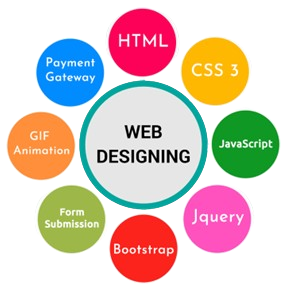
our Digital Design Service transforms creative ideas into immersive, user-centric experiences. We go beyond aesthetics to design digital ecosystems that enhance engagement, usability, and brand identity across every touchpoint.

Our Service empowers businesses with robust, scalable, and future-ready digital platforms. We specialise in responsive web architecture, eCommerce solutions, and custom web applications built on cloud-native technologies.

We combine SEO, content marketing, social media campaigns, and automation tools to drive engagement, traffic, and conversions. Rudrriv Solutions bridges creativity and analytics to ensure every campaign aligns with your brand’s.

Our Data Analytics Service empowers organisations to turn information into actionable insight. We design and implement end-to-end analytics frameworks, helping you measure performance, predict trends, and uncover growth opportunities.
